
One reason Suddenly Amish keeps pulling people back is that the show does not just give viewers drama. It gives them a vocabulary. After an episode ends, people start searching the words they heard but did not fully understand. What does ordnung actually mean? What is shunning? Why does rumspringa matter? Why does everyone defer so strongly to the bishop? TLC leaned into that curiosity with an official words-and-traditions guide, and those terms are a big part of what gives the show its depth.
The biggest word is probably ordnung. TLC explains it as the unwritten set of rules that shapes daily life, behavior, tradition, technology, clothing, and the overall boundary between Amish life and the modern world. That matters because it turns ordinary actions into moral decisions. A storyline about a phone, a piece of clothing, or a social interaction is not just about taste. It becomes a question of whether someone is stepping outside the order that keeps the community together.
The Terms That Carry The Most Weight
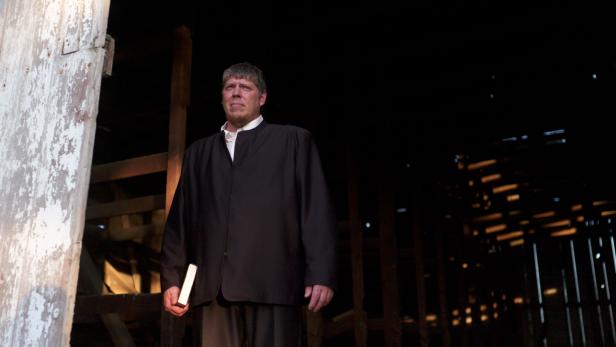
That leads directly to the bishop. TLC describes the bishop as the top spiritual leader of an Amish community, responsible for guidance, baptisms, marriages, spiritual direction, and upholding the community's standards. On Suddenly Amish, Bishop Vernon is not background scenery. He is the figure who makes the experiment feel high-stakes. When the show talks about outsiders entering Amish life, viewers are really watching whether they can live under a visible standard and whether that standard will accept them.
Another term viewers search quickly is shunning. TLC describes it as the strongest kind of discipline in Amish life, involving limited contact with the community as a way of pushing someone toward repentance and return. On reality television, that word hits hard because it raises the emotional temperature immediately. It tells viewers that mistakes do not stay private. They can affect meals, business, family contact, and social belonging. That is a much heavier concept than the ordinary punishments people expect from modern entertainment.
Why The Language Makes The Show Feel Bigger
Then there is gelassenheit, one of the most revealing concepts in the entire guide. TLC describes it as a belief in letting go of ego, pride, and the need to be in control. That word helps explain why Amish humility is not only a personality trait. It is a community ideal. If someone on the show seems too flashy, too loud, too self-driven, or too focused on winning, viewers are essentially watching a clash between modern individualism and Amish restraint.
That is also why fatzig is such a fun but useful word. TLC says it refers to anything showy, flashy, or overly adored. In everyday social terms, it means someone or something reads as too performative. That single idea alone explains why a reality show about Amish life can feel so compelling: reality TV is usually built around attention, display, and self-expression, while Amish values often lean toward modesty, humility, and community harmony. The friction is built into the format.

Rumspringa is another term that people search because it sounds dramatic even before they know what it means. TLC defines it as the Amish teen rite of passage that gives young people more freedom before deciding whether to stay Amish. It matters on the show because the producers describe the experiment almost like a reverse version of that process. Instead of Amish youth peeking into the English world, outsiders are stepping into Amish life and testing whether they can accept it.
Two more terms help complete the picture. English simply means non-Amish, but in the context of the show it acts like a cultural line. Meanwhile, nachbar, meaning neighbor, points to something bigger than proximity. TLC explains it as a sign of shared faith, trust, and showing up when needed. That gives viewers a better sense of why the community language on the show often feels heavier than it would in ordinary suburban life. In Amish culture, neighbor is a moral role as much as a social label.
Why Readers Keep Looking These Up
There is even room for folklore-like tension in TLC's list. The guide includes schlect prophecy, a bad prophecy or warning from God, tied in one episode to bats in a house and fear of misfortune. Whether a viewer takes that literally or symbolically, it adds another layer to the show's atmosphere. It shows a world where signs, discipline, leadership, reputation, and tradition all overlap. That is one big reason the series feels different from generic reality TV.
If you are searching these terms after watching the show, that is exactly why this world works on television. The language gives every small scene more weight. Once you understand the vocabulary, you understand the stakes. A relationship is not just a relationship. A mistake is not just a mistake. A leader is not just a leader. Every action sits inside a bigger moral structure, and that structure is what keeps people reading, searching, and clicking for more.
Sources: TLC words and traditions guide, TLC show page, and TLC premiere announcement.